
The Ultimate Guide to Hair Porosity: Finding the Right Products for You
The Ultimate Guide to Hair Porosity
Why your hair behaves the way it does — and how to choose products that actually work with it.
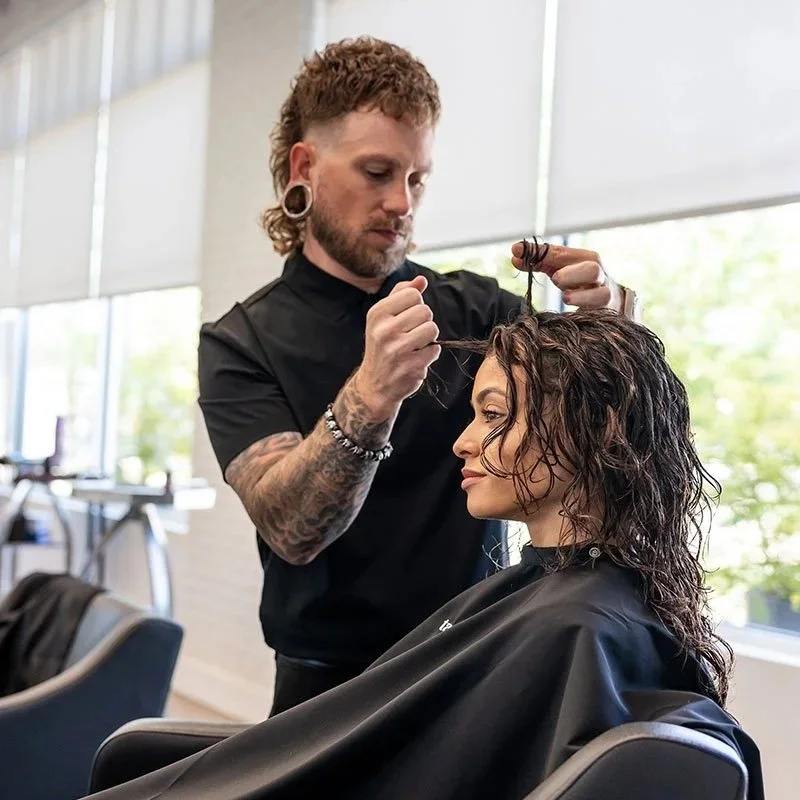
Hair porosity is one of the most important concepts in hair care — and one of the least understood by the people it affects most. If you've ever followed product recommendations to the letter and still ended up with dry, frizzy, weighed-down, or product-coated hair, porosity is almost certainly part of the explanation.
As a certified Aveda Exclusive Partner, Tangerine's stylists use porosity as a foundational assessment tool — it shapes product recommendations and color service planning at all five DFW locations: Preston Hollow, Coppell, Frisco, Allen, and Highland Village.
What Is Hair Porosity?
Hair porosity refers to the hair's ability to absorb and retain moisture — specifically, how open or closed the cuticle layer is. The cuticle is the outermost layer of each hair strand, made up of overlapping scale-like cells similar to roof shingles. When those scales lie flat and close together, moisture has difficulty getting in — but also difficulty getting out. When the scales are raised or damaged, moisture absorbs rapidly — and escapes just as fast.
Porosity exists on a spectrum, but the low / medium / high framework is a practical starting point. Most people have a dominant type with variation along the shaft — roots and ends often differ, especially on color-treated hair.
Porosity is determined by two factors: genetics (your natural cuticle structure) and damage (chemical services, heat, mechanical stress). This is why the same person's hair can become more porous over time as color history, bleaching, and heat styling accumulate. Our color consultation prep guide covers how chemical history affects your hair's condition.
The Float Test: How to Identify Your Porosity at Home
- Shampoo your hair normally — product buildup affects the result. Let it air dry completely.
- Fill a clear glass with room-temperature water. Avoid cold or warm water, which can affect the result.
- Drop a single strand of clean, dry hair into the glass.
- Wait 3–5 minutes without disturbing the glass. Observe where the strand sits.
The Three Porosity Types: What They Mean in Practice
Low porosity hair has a tightly closed cuticle that resists moisture absorption. Once moisture gets in, it's retained well — but getting it in is the challenge. Products applied to low porosity hair often just coat the surface rather than absorbing, leading to buildup and a greasy or heavy feel despite the hair actually being dry underneath.
The key for low porosity hair is heat — warm water, steam treatments, and warming a conditioner slightly before applying all help lift the cuticle enough to let moisture in. Lightweight, liquid-based products absorb better than heavy creams and butters. Clarifying regularly removes the buildup that accumulates from products sitting on the surface.
Aveda focus: Scalp Solutions Balancing Shampoo for clarifying; lightweight leave-ins over thick creams; Smooth Infusion line for frizz without heaviness.Medium porosity hair has a slightly raised cuticle that absorbs moisture at a balanced rate and retains it reasonably well. It's the most manageable porosity type — color takes evenly, deep conditioning works as expected, and most professional product systems perform as intended.
The main risk for medium porosity hair is over-processing over time. Chemical services, cumulative heat damage, and harsh products can shift medium porosity toward high — so maintenance and protective practices matter even when the hair is currently behaving well. Regular protein-moisture balance treatments help keep the cuticle in its ideal state.
Aveda focus: Full flexibility — choose based on texture needs. Color Conserve line if color-treated; Dry Remedy for medium hair trending toward dryness.High porosity hair has a raised or damaged cuticle with gaps that allow rapid moisture absorption — but equally rapid moisture loss. The same openness that makes it easy to hydrate makes it impossible to stay hydrated. Frizz in humidity, breakage at the ends, rapid color fade, and a persistently dry feel despite heavy conditioning are all hallmarks of high porosity.
High porosity often results from chemical damage — repeated bleaching, overlapping relaxers, or excessive heat styling. The priority is sealing the cuticle after conditioning to trap moisture inside. Protein treatments help temporarily fill gaps in the cuticle structure. Heavy creams, oils, and butters applied to damp hair act as a sealant layer. Cold water rinses after conditioning help close the cuticle before styling.
Aveda focus: NutriPlenish Deep Moisture Shampoo + Masque; Dry Remedy Moisturizing Oil as sealant; Damage Remedy Intensive Restructuring Treatment for protein repair.
Porosity assessment is part of every Tangerine product consultation — it shapes which Aveda products will actually work for your hair
How Porosity Affects Color Services
Porosity is one of the most overlooked factors in predicting how a color service will behave. Understanding yours before your appointment can prevent surprises and help your colorist hit the result you're after.
Low porosity and color
Low porosity hair resists color absorption just as it resists moisture. Color services on low porosity hair often require longer processing times or added heat to open the cuticle enough for pigment to penetrate. The upside: once color does take, it fades slowly because the tight cuticle holds pigment in. Vivid and fashion colors can be challenging on very low porosity hair without proper preparation.
Medium porosity and color
Medium porosity is ideal for color — it absorbs evenly and holds pigment well, which is why color results look most consistent and predictable on this hair type. Balayage and highlight results tend to be the most accurate on medium porosity hair because the lift and deposit happen at a predictable rate.
High porosity and color
High porosity hair is the most unpredictable for color. It absorbs color rapidly but unevenly — more porous sections grab more pigment, creating variation in the final result. Color also fades faster as the raised cuticle allows pigment to escape with every wash. High porosity guests typically need more frequent gloss and toner refreshes to maintain their color between full appointments. See our gloss treatment guide for how a regular refresh fits into the maintenance schedule.
At Tangerine, our colorists assess porosity as part of every color consultation — not just hair type or current shade. High porosity hair may need a protein filler applied before color to even out absorption. Low porosity hair may need extended processing time or gentle heat. Medium porosity hair gets a standard protocol but with attention to any transitional zones (where roots meet mid-lengths, or where previous color ends) that may have different porosity from the rest of the strand.
Sharing your chemical service history honestly — including any box color, DIY bleaching, or past damage — is the most useful thing you can do before a color appointment. Our color prep guide covers exactly what to bring and tell your colorist.
Aveda Products by Porosity: Quick Reference
| Product Category | Low Porosity | Medium Porosity | High Porosity |
|---|---|---|---|
| Shampoo | Scalp Solutions Balancing (clarifying); avoid sulfate-free only if buildup is an issue | Color Conserve (if color-treated); Shampure for everyday use | NutriPlenish Deep Moisture; avoid clarifying shampoos which strip further |
| Conditioner | Lightweight formulas only; apply mid-length to ends, avoid roots | Dry Remedy or Color Conserve depending on color status | NutriPlenish masque weekly; Dry Remedy daily conditioner |
| Leave-In | Liquid sprays over creams; Color Conserve Daily Color Protect | Flexible — match to texture and color needs | NutriPlenish leave-in spray; layer with a sealing oil on top |
| Styling | Smooth Infusion Style-Prep; Pure Abundance for fine low-porosity hair | Based on texture — Smooth Infusion for frizz, Pure Abundance for volume | Dry Remedy Moisturizing Oil; heavier creams to seal cuticle after styling |
| Treatment | Monthly clarifying treatment; steam conditioner to open cuticle | Bi-weekly deep conditioner; protein treatment quarterly | Damage Remedy Intensive Restructuring Treatment (protein repair) weekly or bi-weekly |
Common Porosity Mistakes — and How to Avoid Them
Moisturizing high porosity hair without sealing
The most common high porosity mistake: applying conditioner or leave-in and stopping there. Without a sealant layer — an oil or butter applied over damp hair to close the cuticle — moisture evaporates within hours. The sequence matters: hydrate first, then seal. Our full Aveda product layering guide covers this in detail.
Over-conditioning low porosity hair
Applying heavy moisturizing products to low porosity hair doesn't fix dryness — it creates buildup. The products coat the already-closed cuticle rather than penetrating it, making hair feel heavy and limp. Low porosity hair needs lighter products and occasional clarifying, not more conditioner.
Skipping protein on damaged high porosity hair
Moisture alone can't repair structurally damaged hair. High porosity from bleaching or chemical damage requires protein treatments (like Damage Remedy) in rotation with moisture treatments. Too much protein on non-damaged hair causes brittleness — context matters.
Using the same products year-round
Porosity can shift with seasons, chemical services, and hair history. A guest whose hair was medium porosity before a series of balayage appointments may be trending toward high porosity at the ends. Reassessing your routine after any significant chemical service — and discussing it at your next salon visit — keeps your product stack aligned with your hair's actual needs. Our capsule hair care guide offers a framework for building a minimal, effective routine.
Tangerine's stylists are available for dedicated product consultations at all five locations — it's one of the best ways to shortcut the guesswork and get a routine that's tailored to your current hair. Browse our complete Aveda product guide or learn more about Aveda's ingredient philosophy and what sets it apart from conventional hair care.
Get a Porosity Assessment at Tangerine
Expert consultations at all five DFW locationsKnow Your Hair. Build a Routine That Works.
Porosity explains why most product routines fail. Book a consultation with a Tangerine stylist and get a recommendation built around your actual hair.
Book a Consultation